[In Chinese, tomatoes are called “foreign eggplants/aubergines”]
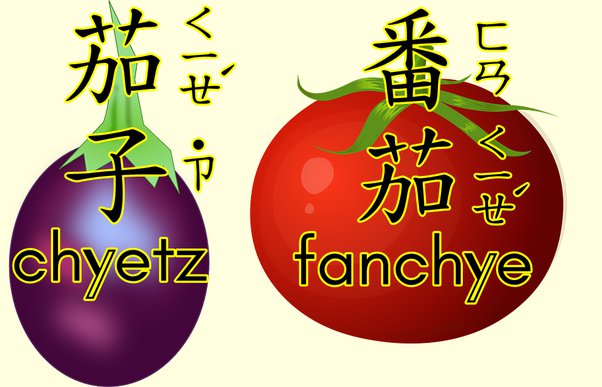
In Taiwan 番茄 fānqié/fanchye “tomato” is often mistakenly written 蕃茄 (with a “grassy plant” radical above the first character). It is not generally known that 番 in this compound means “foreign”: 番茄 literally means “foreign eggplant”.
The eggplant (American English)/aubergine (British English) is dark purple with a bit of green on top, whereas the tomato (originally from Mexico) is bright red with a similar green top, hence “foreign eggplant/aubergine” = tomato.
Most Taiwanese people are totally unaware of where tomatoes actually come from, so because many other plants have two-character names with grass radicals, they invented their own folk etymology for the first character:
the fan-plant (艹 & 番 = 蕃)
the qie-plant (艹 & 加 = 茄)
In China, the authorities have made a laudable effort to standardize the orthography by eliminating alternate forms, so 蕃 is probably not common.
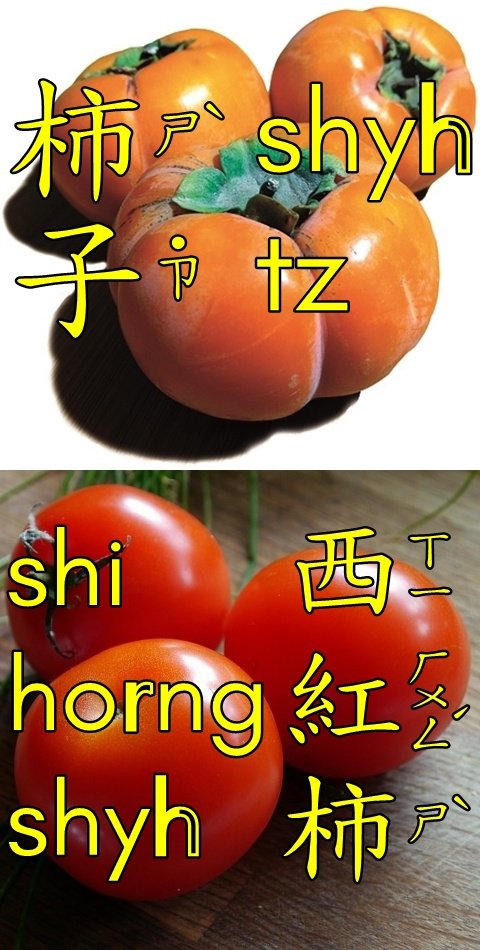
In China proper, tomatoes are commonly known as 西紅柿 xīhóngshì/shihorngshyh “[literally] western red persimmons” (西 is another prefix added to denote foreign loans), a delicious fruit originating in Asia.