Chinese Storybook:A Joyous Chinese New Year 《我們一家的快樂新年》

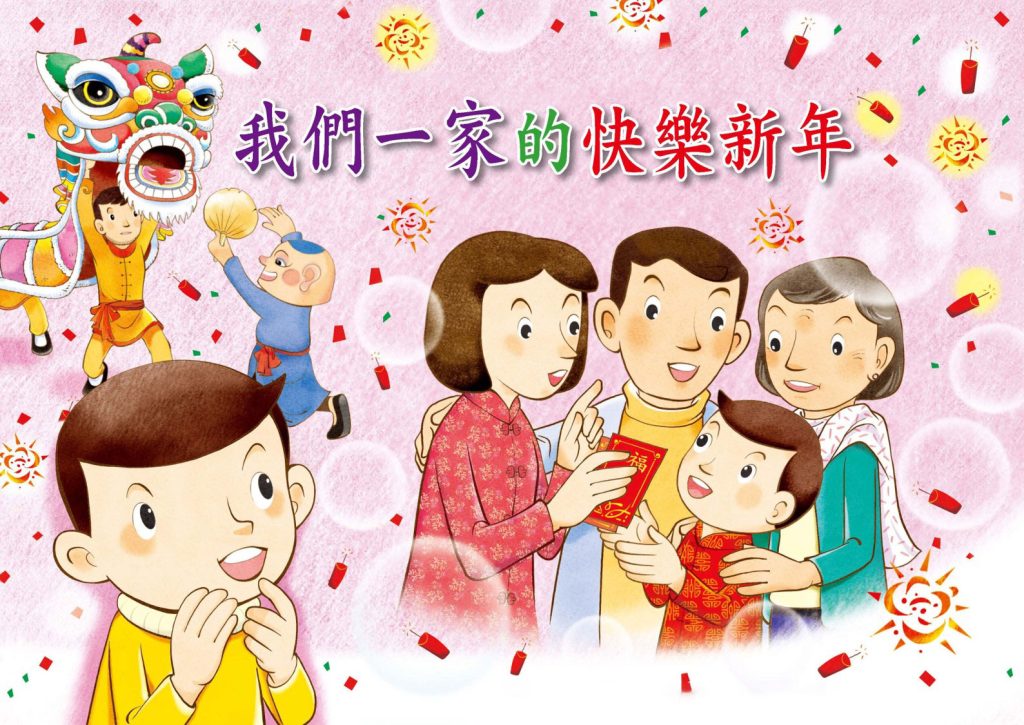
Chinese Storybook:A Joyous Chinese New Year 《我們一家的快樂新年》

This is an English version of a picture book written in Chinese. 《我們一家的快樂新年》 A Joyous Chinese New Year As Chinese New Year draws near, every family is busy preparing for its arrival. People will have their hair cut, buy new clothes, do shopping, and cook special food and snacks for this festive occasion. Everywhere is … Read more

Chinese Idioms:安土重迁 Attached to the Land and Unwilling to Move

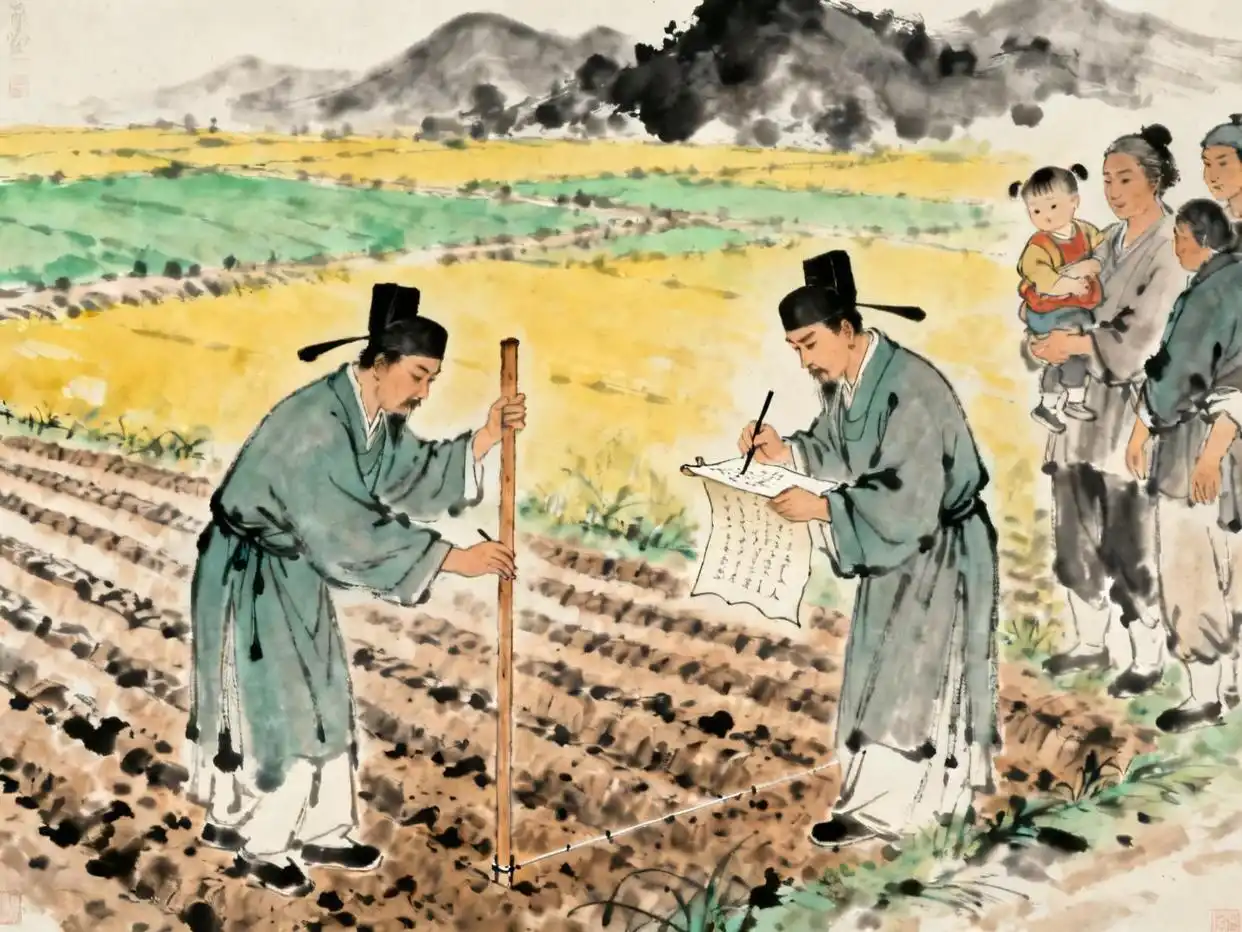
Chinese Idioms:安土重迁 Attached to the Land and Unwilling to Move

Attached to the Land and Unwilling to Move 【Interpretation】 Feeling attached to the native land and reluctant to move to another place. This was a widespread way of thinking and sentiment among the common people in a traditional agricultural society. In essence, it is because they depended on the land to make a living, since … Read more

Why do Chinese names often contain double words like ‘Yao Yao’, ‘Wei Wei’ or ‘Sun Sun’?

Simple reason? They sound cute. Well, there is no explicit rule to repeat the same character in the name. However, it’s not uncommon to see the repeated characters in the real names and nicknames. The reason being that the Chinese parents would often spend a considerable amount of time deciding/thinking the names/nicknames of their (upcoming) … Read more

Does the Chinese word for grape (葡萄) come from the name of the country Portugal?

[Portugal & grapes: 葡萄牙 pútáoyá / pwutaurya & 葡萄 pútao / pwu.taur, GR Tonal Spelling (Gwoyeu Romatzyh)] 蒲陶, the Chinese word for grape, is attested over 2100 years ago in Records of the Grand Historian 《史記大宛列傳》西元前138年 (138 BCE) 「大宛在匈奴西南,在漢正西,去漢可萬里。其俗土著,耕田,田稻麥,蒲陶酒。 有蒲陶酒。」 Dàyuān zài Xiōngnú xīnán, zài Hàn zhèng xī, qù Hàn kě wàn lǐ. Qí sú tǔzhù, gēng tián, tián dào … Read more

What is Huaxia?

Hua(华) Xia (夏) This is how the Chinese people refer to themselves. Hua 华 = beautiful clothing Xia 夏 = a sense of propriety. I believe that four or five thousand years ago, our ancestors used this term to distinguish themselves from the “barbarians.” The barbarians at that time probably still wore animal skins and … Read more

Is learning basic Chinese hard?

Many Chinese people take pride in the fact that their language is supposed to be impossibly difficult for foreigners to master (many westerners also assume this to be true). Shh…! Don’t tell anybody this secret! Actually, learning basic Chinese is quite easy, but only if you have the right attitude, the right approach and the right tools. Chinese … Read more

What does 「民」 mean?

I thought I’d post a response to Kang-Lin Cheng’s post as to where 「民」 came from and how it got its meaning today. 「民」 (slave > the common people) originally depicted an eye 「目」 getting jabbed by a sharp object. It is unclear what the oracle bone form of the sharp object was, but in the bronze inscription forms … Read more

What is the meaning of 绿茶婊 in Mandarin Chinese?

“绿茶” literally means green tea, 婊= “bitch” or “prostitute.” Online, people usually say just “green tea” as a euphemism. It refers to a type of woman who looks pure and innocent on the outside, behaving as if she is gentle, considerate, kind, and lovely. She pretends to be delicate, sentimental, and graceful in front of others, yet behind the scenes … Read more