
I believe even basic Chinese learners would know this word. It means “car” and is pronounced “chē”.
Except it isn’t.
You see, when we recite the word 車 in classical poems and literature, or for the rook in Chinese chess, we pronounce it “jū”.
So which one’s right?
The etymology book “釋名”, written in the late Eastern Han Dynasty, states “In ancient times, 車 was pronounced the same as was pronounced the same as 居(housing, pronounced “jū”), because it housed people during their travels.”
Yet, the scholar Wei Zhao, who lived during the Three Kingdoms period, stated “In ancient times, 車 was pronounced “chē”, only from the Han Dynasty onwards did it begin to be pronounced ‘jū’.”
And there is debate(though not enough) over which pronunciation is the more authentic one, and which is an evil inflection.
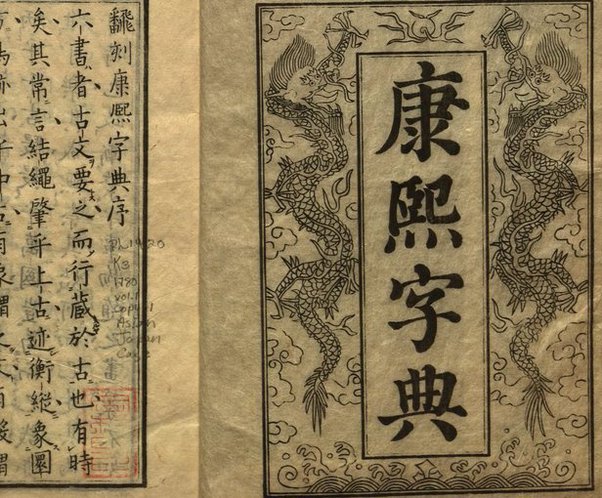
But what does the official Kangxi Dictionary have to say on this matter?
Well, it classifies large chariots(also called 輅) and the Minister of the Chariots(巾車/公車) under “jū”, while “chē” encompasses general chariots/carriage/cars, and the lower jaw(牙車).
But those aren’t all the pronunciations! There’s also a pronunciation of “cuō”, used for rhyming(because why not?).
The linguistics of 車 are frankly confusing and contradicting, and I’m probably still going to be boggled by this word.