Why is it common to ask “Have you eaten yet?” in China?
Very common, especially in Beijing Hu Tong (胡同, small alley) culture. Old Beijing (老北京) people ask “吃了吗” (have you eaten yet?) as we say “how …
Fans of Chinese and Mandarin
Very common, especially in Beijing Hu Tong (胡同, small alley) culture. Old Beijing (老北京) people ask “吃了吗” (have you eaten yet?) as we say “how …
of couse. but I would show you the shi shi shi story again. shī shì shí shì shǐ shí shí shǐ shì shì, shǐ shī, …
諺語 諺:(形声。从言, 彦声。本义:谚语) 同本义 [aphorism; proverb; saying; adage] 谚, 传言也。字亦作喭。——《说文》 There is 諺語,成語 and there is 箴言,these are all “sayings” but there are those which …
It means “What the hell is this?” “这是什么鬼” can be regarded as a short form of “这是什么鬼东西”. The “鬼”, literally means ghost or monster, is …
I am not a scholar, but on this question I am 100% certain that I am correct. First of all, I am Chinese, deeply familiar …
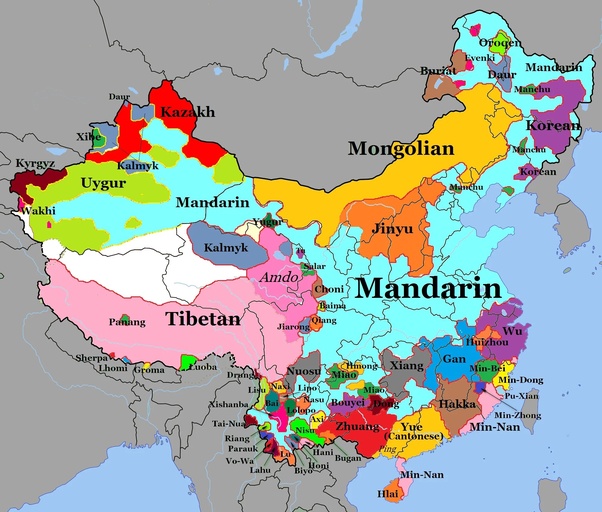
When someone asks what language Chinese people speak? The locals will answer: I speak Beijing (Mandarin_Jurzhen) or Cantonese-Cantonese, Hakka (Hakka-He), Hokkien (Fujian)… Give them a …
Fascinating question. Having lived in China for several years, and being married to a Chinese wife, I think my first impulse is to say, “don’t …
Because there is no reason to. Believe it or not, youcanactuallyreadEnglishsentenceswithoutspacesaswell. Ittakessomepractice, butyoushouldbeabletoreadthesesentenceswithoutmuchfussatall. Spaces are not strictly necessary even for alphabet-based languages – for logographic characters …
Because it is? I studied Russian for three years in high school (Pasadena High, CA), and spent all my time learning declensions and conjugations and …
Coming from speaking English, it’s tough that there’s almost no vocabulary overlap. When I learned Spanish as a teenager, most of my vocabulary learning was via making …