What is the coolest Chinese symbol and its meaning?

For me it must be this character 武(wu 3) majorly means martial art,or Kung Fu ,one of the most famous Chinese cultural symbol for the world. 武 is also related to military or war,like 武器(weapon),武装(arm),武力(force) etc,which is definitely not most people are fond of. However, let’s talk about the writing structure of the character. It … Read more
What are some examples of folk etymology in Chinese?

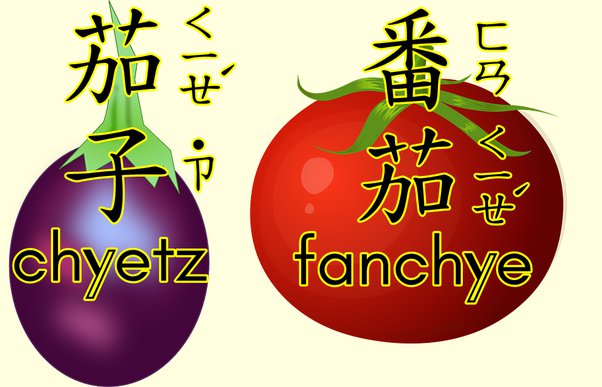
[In Chinese, tomatoes are called “foreign eggplants/aubergines”] In Taiwan 番茄 fānqié/fanchye “tomato” is often mistakenly written 蕃茄 (with a “grassy plant” radical above the first character). It is not generally known that 番 in this compound means “foreign”: 番茄 literally means “foreign eggplant”. The eggplant (American English)/aubergine (British English) is dark purple with a bit of green … Read more

What important Chinese concepts are conveyed by a single Chinese character?

One very important concept captured by a Chinese character is “ren” or 忍。 This is a very interesting character: it carries the concept of a knife or 刀 held over the heart or 心。Naturally, having a knife held over your heart would be a very uncomfortable situation to say the least. But the character “ren” … Read more

Is cursive Chinese sometimes really hard to understand?

This is a letter written by Mao Zedong 毛澤東 on 1 May 1955 to his colleague Jiang Zhuru 蔣竹如, addressing the topic of pīnyīn 拼音 as a form of written Chinese: The text reads: 竹如兄:二月惠書收讀,甚謝!兄作語文學研究,提出不同意見,我雖未能同意,但辯論總是會有益的。來書已付文字改革委員會研究去了。拼音文字是較便利的一種文字形式。漢字太繁難,目前只作簡化改革,將來總有一天要作根本改革的。此覆,順問教安。毛澤東 一九五五年五月一日。” Translation Dear Zhuru: I have received and read your esteemed letter of last February. Many thanks! Your study of spoken and … Read more

車 or 車?

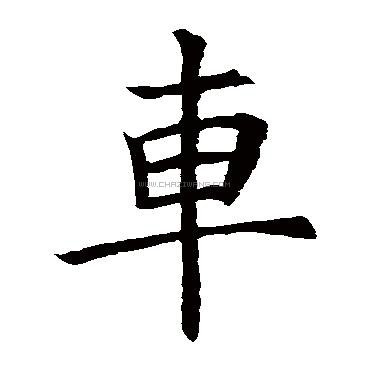
I believe even basic Chinese learners would know this word. It means “car” and is pronounced “chē”. Except it isn’t. You see, when we recite the word 車 in classical poems and literature, or for the rook in Chinese chess, we pronounce it “jū”. So which one’s right? The etymology book “釋名”, written in the … Read more